There is a profound magic in being able to open your mouth and speak words that connect you with people from an entirely different culture. Whether you want to travel the globe with confidence, explore classical literature, or boost your cognitive agility, learning a new language is one of the most rewarding adventures you can undertake.
At Shiraz Academy, we believe that language learning should be a living, breathing experience rooted in conversation and cultural appreciation rather than endless grammar drills. In this guide, we are going to teach you simple, practical steps to start speaking and understanding a new language right at home today!
Why Language Learning is Good for the Brain
Learning a second language does much more than expand your travel horizons; it actively reshapes how your brain processes information.
For children, early language exposure enhances listening flexibility, memory retention, and creative problem-solving. For adults, it builds incredible cognitive reserve, keeping the mind sharp and agile. You can explore linguistics research and second-language acquisition principles through the Linguistic Society of America Educational Resources.
Step-by-Step Guide: How to Start Practicing a New Language Today
You do not need to move abroad to become fluent. You can build a powerful language foundation from the comfort of your living room by following these steps:
1. Build a Core Vocabulary of High-Frequency Words
- How to do it: Instead of memorizing random dictionary lists, focus on the top 300 most commonly used words in your target language (pronouns, common verbs like to be and to have, and essential greetings).
- The Benefit: Knowing just a few hundred high-frequency words allows you to understand up to 60% of everyday conversations.
2. The Immersion and Shadowing Technique
- How to do it: Listen to native audio, podcasts, or dialogues, and immediately repeat (shadow) what you hear, mimicking the intonation and rhythm as closely as possible.
- The Benefit: Shadowing trains your mouth muscles and ear to adapt to foreign phonetic sounds naturally. You can read more about foundational listening and pronunciation techniques in our previous guide on Children’s Music Lessons.
3. Label Your Immediate Environment
- How to do it: Place small sticky notes with the foreign words for everyday items (door, window, table, lamp) directly onto objects around your house.
- The Benefit: You build passive daily visual association, turning your home into an immersive language environment.
Tips for Staying Consistent with Language Practice
- Practice Daily in Micro-Blocks: Spend just 10 to 15 minutes every day practicing vocabulary or listening to audio rather than doing a exhausting two-hour session once a week.
- Embrace Making Mistakes: Fluency comes from speaking without fear. Do not wait until your grammar is perfect before trying to form sentences.
- Connect with Native Speakers: Engage in language exchange apps or local conversational groups to test your skills in real-world scenarios.
Achieve Language Fluency with Professional Guidance at Shiraz Academy
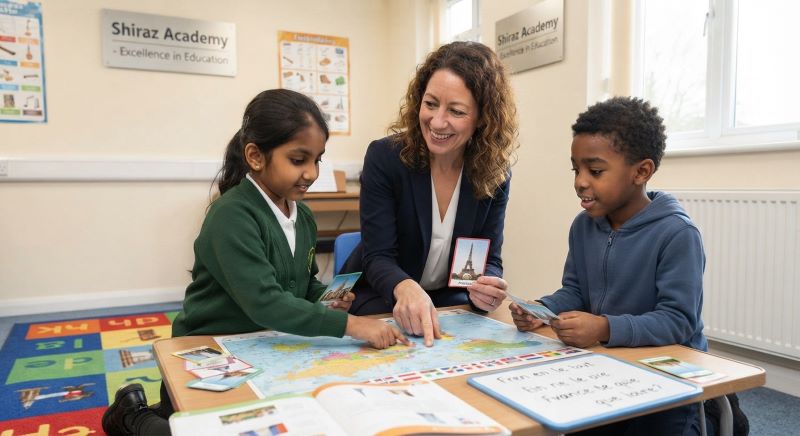
Mastering proper pronunciation, cultural nuances, and conversational fluency is much faster and more enjoyable when you have expert native-level instructors guiding your progress. Whether you are learning a language for academic qualifications, travel, or personal growth, our professional tutors are here to help you succeed.
We offer warm, immersive classes in person at our dedicated education centre in Cradley Heath, sessions covering Birmingham, and interactive online classes. To check available times and secure your place, visit the Shiraz Academy Contact Page today and start your multilingual journey!